




Online banking has become an indispensable part of our daily lives, offering unparalleled convenience and accessibility. However, with this ease comes the crucial question of security, especially when dealing with sensitive financial information. This article explores the role of a Virtual Private Network (VPN) in safeguarding your online banking activities and addresses common concerns regarding its use.
How a VPN Enhances Security
A VPN for online banking significantly enhances your online banking security by encrypting your internet connection, making it virtually impossible for cybercriminals to intercept your data. When you connect to a VPN server, your internet traffic is routed through a secure tunnel, masking your real IP address and protecting your privacy. This encryption is crucial when accessing your bank account, especially on public Wi-Fi, where data is otherwise vulnerable. A VPN app ensures that your mobile banking apps and browser sessions are shielded from prying eyes, adding a vital layer of defense against potential threats. While a VPN won’t protect against every type of cyberattack, its role in securing your connection is indispensable.
Importance of Secure Online Banking
The digital age has ushered in an era where managing finances online is the norm, making secure online banking transactions more critical than ever before. Every time you access your bank account, whether through a web browser or a banking app, you are sharing sensitive login details and personal information that cybercriminals constantly try to intercept. The importance of secure online banking cannot be overstated, as a breach could lead to severe financial losses, identity theft, and significant emotional distress. Therefore, implementing robust security measures is paramount to protect your assets and maintain peace of mind while conducting transactions or simply checking your balance.
Risks of Banking Online
Despite the convenience, banking online carries inherent risks that users must be aware of to stay safe. One of the primary dangers is connecting to public Wi-Fi networks, which are often unsecured and can be easily exploited by hackers to capture your data without a VPN. Phishing attacks, where cybercriminals impersonate legitimate institutions to trick you into revealing your password and other login details, also pose a significant threat. Furthermore, malware can infect your device, silently logging your keystrokes or redirecting you to fraudulent sites. These risks highlight why simply relying on the bank’s security measures might not be enough, underscoring the need for personal protective steps.
Using a VPN for Online Banking

How to Set Up a VPN
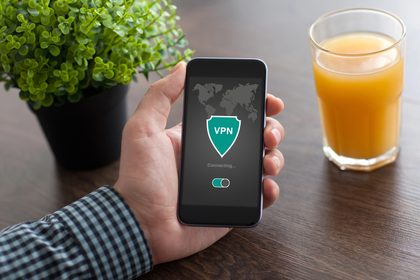
Setting up a VPN for online banking is a straightforward process that significantly boosts your online banking safety. The first step involves choosing a reputable VPN provider and downloading their VPN app onto your device, whether it’s a smartphone, tablet, or computer. Once installed, you will typically need to create an account and log in. The app will then present you with various server locations to choose from. For secure online banking transactions, it’s generally recommended to connect to a server in your home country or a server geographically close to your actual location to avoid potential flags from your bank’s security systems. After selecting a server, simply click the “connect” button, and your VPN connection will be established, encrypting your internet traffic.
Accessing Your Bank Securely
Once your VPN connection is active, accessing your bank account securely becomes a much safer endeavor, especially when you are connecting to a public Wi-Fi network. With a VPN for online banking, your IP address is masked, and your data is encrypted, creating a secure tunnel for your mobile banking apps or web browser sessions. This significantly reduces the risk of cybercriminals intercepting your sensitive information, such as your password and other login details, during a transaction. It’s still vital to practice other safe online banking habits, such as using unique passwords for your bank account and being vigilant against phishing attempts and malware. While a VPN won’t protect against every threat, it adds a critical layer of defense, making it much safer to manage your finances online without a VPN’s inherent vulnerabilities.
Safe Online Banking Practices
Secure Online Banking Transactions
For truly secure online banking transactions, integrating a VPN for online banking into your routine is a highly recommended practice, especially when dealing with sensitive financial information. By choosing to use a VPN for online banking, you are actively encrypting your data, effectively creating a private and secure tunnel between your device and the bank’s servers. This robust VPN encryption is paramount, particularly when you access your bank account via public Wi-Fi networks, which are notorious for their lack of security and susceptibility to hacker intrusions. A reliable VPN app ensures that your login details, transaction data, and personal information remain shielded from cybercriminals, allowing you to conduct your financial activities with enhanced online banking safety.
What Banks Detect When Using a VPN
When you use a VPN for online banking, banks can detect that your IP address originates from a different location than usual, as your internet traffic is routed through a selected VPN server. While most banks do not explicitly prohibit the use of a VPN for online banking, this change in IP address may trigger your bank’s fraud detection systems, prompting additional security checks or temporary account freezes to verify your identity. This is a measure to prevent unauthorized access to your bank account, as a sudden change in geographical location could indicate a fraudulent attempt. To minimize such inconveniences, it is often advisable to connect to a VPN server in your home country or a location you frequently access your online bank from, which can help in maintaining a consistent online banking security profile.
VPN May Affect Connection Speed
It is important to acknowledge that a VPN may, in some instances, affect your internet connection speed, which could slightly impact the fluidity of your online banking transactions. When you connect to a VPN server, your data travels an additional path and undergoes VPN encryption, both of which can introduce a small amount of latency.
FAQs About VPNs and Online Banking
Is it Safe to Use a VPN for Banking Transactions?
It is generally considered safe to use a VPN for online banking transactions, provided you choose a reputable VPN provider. A VPN for online banking significantly enhances your online banking security by employing robust VPN encryption, which creates a secure tunnel for your data, protecting your login details and sensitive information from cybercriminals. This is especially crucial when you access your bank account on an unsecured public Wi-Fi network, where data can be easily intercepted without a VPN. While a VPN adds a vital layer of protection, it is essential to combine it with other safe online banking practices, such as using unique passwords and being wary of phishing attempts, to ensure comprehensive online banking safety.
What to Do if My Bank Blocks VPN Access?
If your bank blocks VPN access, it typically means their fraud detection systems have flagged your VPN connection as suspicious, often because your IP address appears to be from an unusual location. In such cases, the first step is to try connecting to a VPN server in your home country or a location you frequently access your online bank from. This can often resolve the issue by making your connection appear more consistent with your usual banking habits. If the problem persists, you might need to temporarily disconnect from your VPN, access your bank account, and then reconnect once your transaction is complete. You can also contact your bank’s customer support to inform them you are using a VPN for online banking and clarify the situation. Some premium VPN apps also offer features like split tunneling, which can allow your banking app to bypass the VPN while other traffic remains encrypted, potentially preventing your bank from detecting the VPN.