





In an increasingly connected world, smart devices like Amazon Alexa have become commonplace in many households. These voice assistants offer convenience and a myriad of functionalities, but they also bring forth legitimate questions about privacy and data collection. This article delves into the core of these concerns, examining how Alexa devices function and addressing the pervasive query: “Does Alexa spy on you?”
- Is Alexa Always Listening?
- Exploring the “Always Listening” Feature
- What Happens When You Say the Wake Word?
- Managing Alexa’s Listening Settings
- What Does It Mean for Alexa to Spy?
- Defining “Spying” in the Context of Smart Devices
- Public Perception of Alexa’s Listening Abilities
- Privacy Concerns Surrounding Voice Assistants
- What Data Does Alexa Collect?
- Types of Information Gathered by Amazon Alexa
- How Data is Used and Shared
- User Control Over Collected Data
- Conclusion: Balancing Convenience and Privacy
Is Alexa Always Listening?
Exploring the “Always Listening” Feature
The phrase “Alexa always listening” often conjures images of constant surveillance, but the reality of how an Alexa device operates is more nuanced. While it is true that the microphones on smart speakers like the Echo Dot are perpetually active, this activity is primarily dedicated to detecting the wake word, such as “Alexa.” Until the wake word is spoken, the device is designed to process audio locally, without sending Alexa voice recordings to Amazon’s cloud or server. This continuous local processing allows the Alexa device to instantaneously react when you use Alexa, but it isn’t built to record everything you say until the specific trigger word is recognized. This distinction is crucial for Alexa users concerned about their privacy.
What Happens When You Say the Wake Word?
When you utter the wake word, the Alexa device’s behavior changes fundamentally. Upon detection of the wake word, the Echo Dot or other Amazon Echo product will activate, indicating through a visual or auditory cue that it has started recording. At this point, your voice commands are captured as Alexa voice recordings and then sent to Amazon’s cloud for processing. This data transmission enables the voice assistant to interpret your request and provide the appropriate response. Amazon states that Alexa doesn’t record continuously, and it’s designed to only transmit audio after the wake word has been identified, allowing Amazon Alexa to fulfill your Alexa requests while maintaining privacy protocols.
Managing Alexa’s Listening Settings
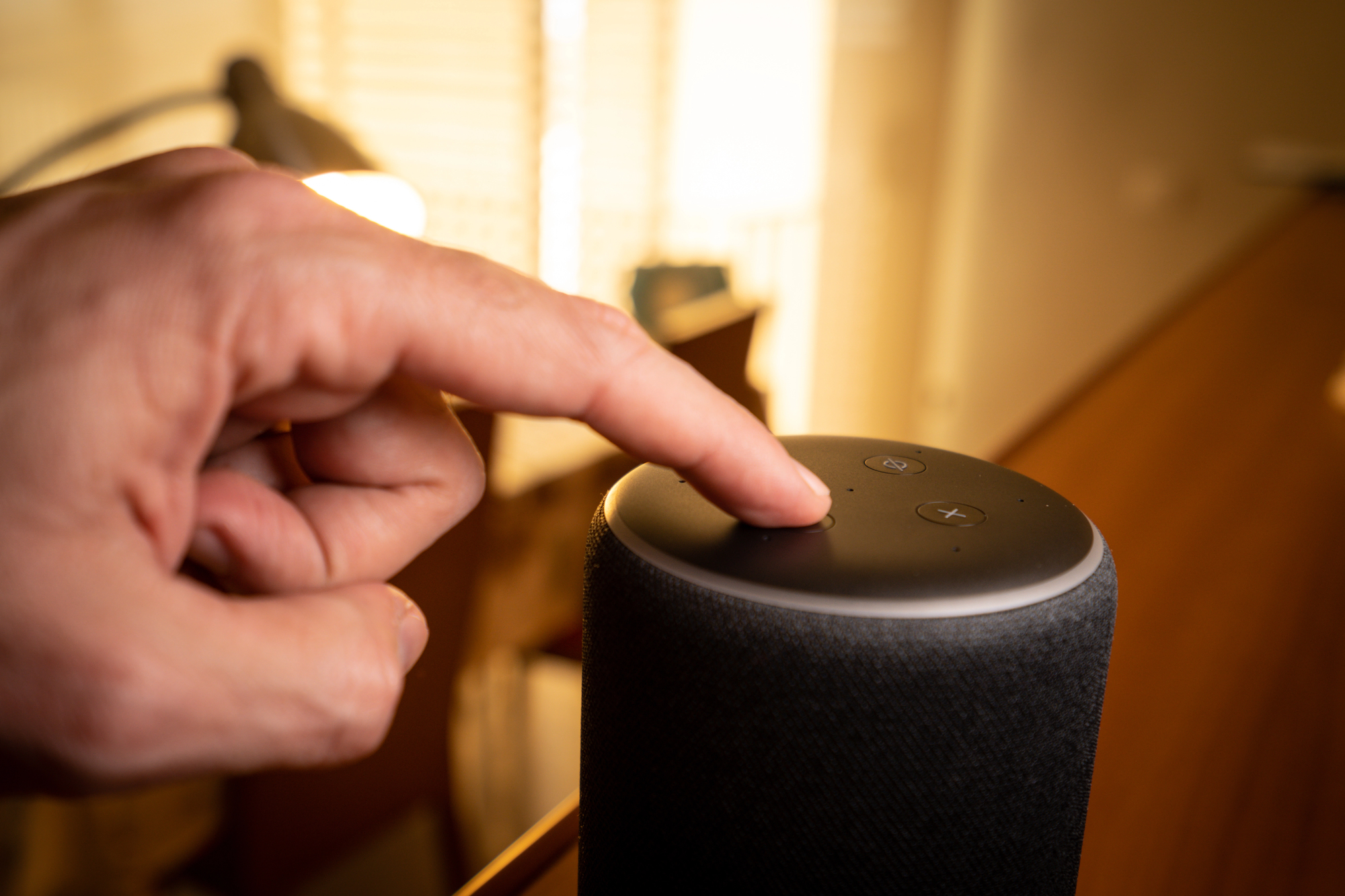
Alexa users have several options to manage and control Alexa’s listening settings, which can help alleviate concerns that Alexa is always listening. Through the Alexa app, you can review and delete Alexa voice recordings, providing a direct way to manage your Alexa data. Users can also opt out of having their voice recordings used to improve Alexa’s functionality, though this might slightly impact the personalization of Alexa interactions. Furthermore, the Alexa device typically includes a mute button, which electronically disconnects the microphones, ensuring that the device cannot hear anything, including the wake word, effectively preventing any potential for accidental activations or unauthorized recording by the voice assistant.
What Does It Mean for Alexa to Spy?
Defining “Spying” in the Context of Smart Devices
When considering whether Alexa spies on you, it’s crucial to define what “spying” entails in the realm of smart devices. Typically, spying suggests covert observation or monitoring without consent, with malicious intent. Amazon Alexa, like other voice assistants, is designed to listen for a specific wake word, such as “Alexa.” It is not built to continuously record everything you say and transmit it without your knowledge or permission. However, the perception of an Alexa device always listening can lead many users to feel like Alexa is listening even when it isn’t actively recording or processing voice commands. It’s important to distinguish between passive listening for a wake word and active, unauthorized data collection.
Public Perception of Alexa’s Listening Abilities
The public perception of Alexa’s listening abilities is often fueled by a general distrust of technology and anecdotal evidence. Many Alexa users worry that their smart speakers, such as an Echo Dot, are always listening and actively sending all conversations to Amazon’s servers. This concern is understandable, as the idea of an “always listening” device in one’s home can be unsettling. While Amazon explicitly states that Alexa isn’t recording until the wake word is detected, accidental activations can happen, leading to snippets of conversations being sent to Amazon’s cloud. These instances contribute to the widespread belief that Alexa is designed to spy, even though Amazon maintains its devices aren’t built for surreptitious surveillance.
Privacy Concerns Surrounding Voice Assistants
Privacy concerns surrounding voice assistants like Amazon Alexa are multifaceted and extend beyond mere “spying.” Users often worry about the security of their Alexa voice recordings, how long Alexa data is stored, and who has access to it. While Amazon’s privacy policy outlines data handling, the potential for third-party Alexa skills to extend Alexa’s functionality raises additional questions about data sharing. Users can often delete Alexa voice recordings and adjust privacy settings in the Alexa app, but many are unaware of these options or find them insufficient. The underlying anxiety is whether the convenience of using Alexa comes at the cost of personal privacy, especially given the continuous evolution of what these devices can hear and process.
What Data Does Alexa Collect?
Types of Information Gathered by Amazon Alexa
When you use Alexa, a variety of data types are collected by your Alexa device and sent to Amazon’s cloud for processing. Primarily, this includes Alexa voice recordings of your voice commands, captured after the wake word has been detected. These recordings are crucial for the voice assistant to interpret your requests accurately. Beyond just audio, the Amazon Alexa system also gathers metadata related to your interactions, such as the time of your requests, the specific Alexa device used (e.g., an Echo Dot), and the actions taken in response to your commands. This Alexa data helps to personalize your experience and improve the overall functionality of Alexa, ensuring that when you use Alexa, the interactions are as seamless and efficient as possible.
How Data is Used and Shared
Amazon uses the collected Alexa data, particularly Alexa voice recordings, to enhance the performance and accuracy of its Amazon Alexa voice assistant. This includes training its speech recognition and natural language processing models, which allows Alexa to better hear and respond to your voice commands over time. While Amazon maintains that Alexa isn’t recording continuously and isn’t designed to spy, some anonymized and aggregated data may be used for research and development. Furthermore, when you enable third-party Alexa skills, these developers may also collect data related to your interactions with their specific skill. Users should be aware that the extent to which third-party Alexa skills extend Alexa’s functionality can also mean an extension of data sharing practices, which are typically outlined in each skill’s terms and conditions.
User Control Over Collected Data
Alexa users have several important privacy settings available to them through the Alexa app, providing a degree of control over their Alexa data. You can review, play back, and delete Alexa voice recordings associated with your Amazon account, offering a direct way to manage what data is retained. Additionally, you can opt out of having your voice recordings used to improve Alexa’s functionality, though this may impact the personalization of Alexa interactions. For those concerned that Alexa is always listening, the ability to mute the microphone on an Echo Dot or other Amazon Echo device offers an immediate and effective way to prevent the device from hearing any audio, including the wake word, until it is unmuted, reinforcing user agency over their privacy.
Conclusion: Balancing Convenience and Privacy
Evaluating the Risks of Using Alexa
Evaluating the risks associated with using an Alexa device involves weighing the undeniable convenience against potential privacy implications. While Amazon maintains that Alexa isn’t recording continuously and isn’t designed to spy, the possibility of accidental activations means that snippets of your conversations could inadvertently be sent to Amazon’s servers. The broader concern for Alexa users also extends to how Alexa data is utilized by Amazon and third-party Alexa skills, and the security measures in place to protect Alexa voice recordings. Acknowledging these risks is crucial for making informed decisions about integrating smart speakers like the Echo Dot into your home and how you use Alexa.
Tips for Safe Use of Voice Assistants
To mitigate privacy concerns while continuing to use Alexa, several tips can help Alexa users enhance their digital security. Regularly checking and adjusting privacy settings in the Alexa app is paramount; this allows you to review and delete Alexa voice recordings, and opt out of certain data uses. Utilizing the mute button on your Echo Dot or other Amazon Echo device when not actively using the voice assistant can prevent accidental activations and ensure that Alexa isn’t recording. Furthermore, exercising caution when enabling third-party Alexa skills and reviewing their privacy policies can help avoid unnecessary data sharing, ensuring that the convenience of your Alexa interactions doesn’t come at an undue cost.
The Future of Smart Device Privacy
The future of smart device privacy, especially concerning devices like the Amazon Alexa, will undoubtedly continue to evolve as technology advances and user expectations shift. As voice assistants become more sophisticated and deeply integrated into daily life, there will be increasing pressure for greater transparency from companies like Amazon regarding how Alexa data is collected, used, and secured. Innovations in on-device processing could further reduce the need for Alexa voice recordings to be sent to Amazon’s cloud, addressing the “always listening” concern. Ultimately, the ongoing dialogue between developers, regulators, and Alexa users will shape a landscape where the convenience of smart speakers like the Echo Dot can coexist with robust privacy protections, ensuring that Alexa isn’t built to spy, but rather to serve.